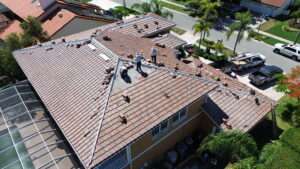
Florida storms can be tough on your roof. High winds, heavy rain, hail, and flying debris can cause damage that isn’t always easy to see from the ground.
If you’ve just been through a strong storm, you may be wondering: Is my roof okay, and what should I do if it’s damaged?
Here’s where to start.
Look for Signs of Damage
Once the weather clears and it’s safe to do so, take a look around your property. From the ground, check for:
- Missing or damaged shingles
- Broken or displaced tiles
- Damaged flashing
- Loose metal roofing
- Tree limbs or debris on the roof
- Sagging areas
- Damaged gutters or downspouts
You don’t need to climb onto your roof to check for problems. A damaged or wet roof can be dangerous, so leave the roof itself to a professional.
Check Inside Your Home
Storm damage isn’t always visible from outside.
Look at your ceilings and walls for brown or yellow stains, damp areas, peeling paint, or bubbling drywall. These can all be signs that water is getting into your home.
It’s also worth checking your attic for moisture or signs of water intrusion.
If you find a leak, don’t wait for the next storm to see if it gets worse.
Don’t Assume Your Roof Is Fine Because It Looks Okay
Some roofing damage can be difficult to see from the ground.
Strong winds can loosen roofing materials, while heavy rain can expose weaknesses that may not become obvious until later.
That’s why having your roof professionally inspected after a major storm can be a smart move.
What If Your Roof Is Leaking?
If you have an active leak, protect the area inside your home as much as you safely can. Move furniture and belongings away from the affected area and use a container to catch dripping water if necessary.
Don’t climb onto the roof yourself, especially if it’s wet or damaged.
A professional roofing contractor can find the source of the problem and determine what needs to be repaired.
Does Storm Damage Mean You Need a New Roof?
Not necessarily.
A storm-damaged roof may only need a repair. In other cases, if the roof is older or the damage is widespread, replacement may make more sense.
The right answer depends on the age, material, and overall condition of the roof.
At 4thGen Roofing, we work with shingle, tile, metal, and flat roofing systems and can help you understand your options.
What About Insurance?
Dealing with storm damage can be stressful, especially when you’re also trying to understand the insurance process.
4thGen Roofing can inspect your roof and provide documentation that may be useful when you’re working with your insurance company. We can also help you understand the roofing side of the process.
Serving Tampa Bay and Florida’s West Coast
4thGen Roofing provides roof inspections, repairs, and replacements throughout the Greater Tampa Bay Area and West Coast of Florida.
We serve communities throughout Pinellas, Hillsborough, Pasco, Sarasota, and Manatee counties, including Tampa, Clearwater, Largo, St. Petersburg, Sarasota, Bradenton, and surrounding areas.
We’re a fourth-generation, family-owned roofing company, and we believe in treating every customer like family.
If your roof has been through a Florida storm, don’t guess about its condition. Let 4thGen Roofing take a look.
Schedule your free roof inspection and estimate today.
Frequently Asked Questions
Should I have my roof inspected after a storm?
Yes. Storm damage isn’t always visible from the ground, so a professional inspection can help identify potential problems.
What should I do if my roof is leaking after a storm?
If it’s safe, protect the area inside your home from additional water damage and contact a professional roofing contractor. Avoid climbing onto a damaged or wet roof.
Does storm damage always require a new roof?
No. Depending on the extent of the damage and the age and condition of your roof, repairs may be enough.
Does 4thGen Roofing handle storm damage?
Yes. 4thGen Roofing provides roof inspections, repairs, and replacements for storm-damaged roofs.